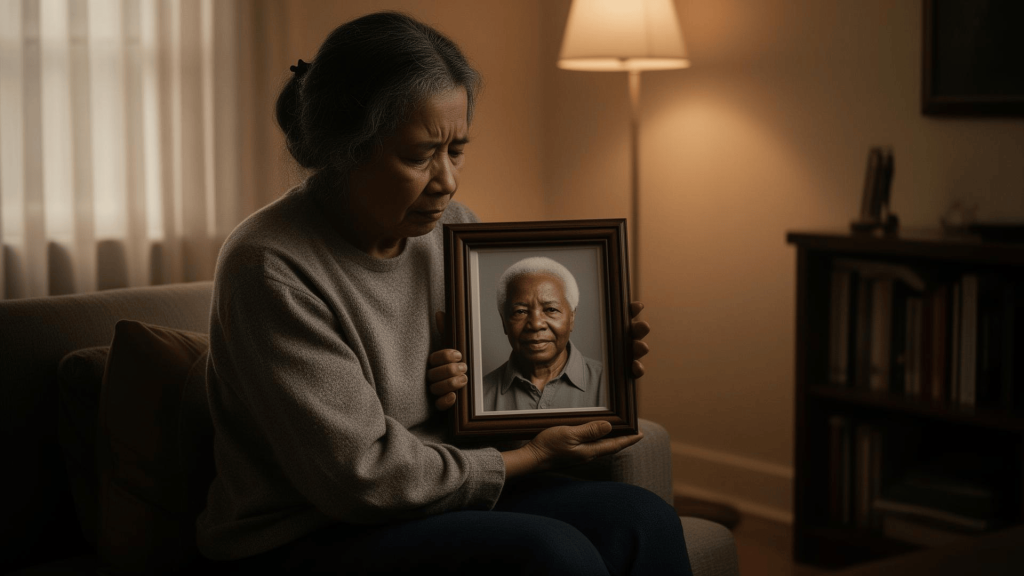
Grief and gratitude seem, at first glance, like they shouldn’t belong in the same sentence. One carries sorrow, longing, and the ache of missing someone deeply. The other feels lighter, connected to joy, appreciation, and thankfulness. How could both possibly live in the same heart at the same time?
According to Renee Schweinberg, author of Hugs for My Heart, they not only can, they often need to.
Why Gratitude Feels Distant in Early Grief
In the early days after a devastating loss, gratitude can feel completely out of reach. The heart is simply trying to survive the shock of what has happened. Reaching for thankfulness too soon can feel forced, even dishonest.
Schweinberg doesn’t rush past this reality in her memoir. She acknowledges that during the hardest early days after losing her husband of forty-two years, grief filled nearly all the space in her heart. Gratitude wasn’t absent because she was doing something wrong; it simply hadn’t had room to surface yet.
This matters for anyone feeling frustrated with themselves for “not being grateful enough” during a fresh loss. Gratitude in grief is not a switch you flip. It’s something that tends to arrive slowly, often through memory.
Grief and Gratitude as Companions, Not Opposites
Over time, Schweinberg describes gratitude beginning to rise quietly alongside her grief, not replacing it, but walking beside it. She writes of realizing how fortunate she and her husband had been: fortunate to find one another, fortunate to share more than four decades together, fortunate to build a life full of ordinary mornings that, in hindsight, were anything but ordinary.
This is one of the most powerful reframes in emotional healing after loss: gratitude doesn’t erase the pain of missing someone. It softens the edges of that pain by reminding the heart that the love wasn’t taken away; it was given, freely and generously, for as long as it lasted.
Practical Ways to Let Gratitude Emerge
If gratitude feels far away right now, that’s completely normal. Consider these gentler starting points rather than forcing appreciation before you’re ready:
- Start with memory, not emotion. Instead of trying to feel grateful, simply recall one specific memory. Let gratitude arise naturally from the memory itself, if it does.
- Keep a short list, not a big one. A single sentence a day, “I’m grateful for the years we had,” or “I’m grateful for a friend who checked in today,” is enough.
- Notice gratitude in small, present moments. A quiet afternoon, a grandchild’s laughter, a good cup of coffee. These don’t diminish the loss; they simply coexist with it.
- Let gratitude and sadness show up in the same sentence. “I miss him deeply, and I am grateful we had forty-two years together” is not a contradiction; it’s the truth of many long, loving relationships.
- Don’t rush yourself. If gratitude isn’t accessible yet, that’s okay. It will likely come, in its own time, through memory rather than effort.
A Rare and Beautiful Gift
Schweinberg reflects that many people move through life without ever experiencing the kind of deep, decades-long companionship she shared with her husband. Recognizing that even while grieving, its loss became a quiet source of peace for her, not instead of the grief, but alongside it.
That reframing can be meaningful for anyone mourning a long marriage, a lifelong friendship, or any relationship marked by years of shared history. The length and depth of the relationship that caused so much pain in its ending is often the very thing worth being grateful for in the first place.
Gratitude as a Form of Healing, Not a Replacement for Grief
It’s worth repeating: gratitude in grief is not about minimizing loss or rushing toward positivity. It’s a companion practice, one that allows memories to feel “warmer,” in Schweinberg’s words, even while the ache of absence remains real.
Grief honors the depth of what is missing. Gratitude honors the beauty of what was given. Both deserve space in a grieving heart.
An Invitation to Hold Both
If you are grieving today, you don’t have to choose between sorrow and thankfulness. You are allowed to feel both, sometimes within the very same breath.
For more reflections on how gratitude and grief can walk side by side, Hugs for My Heart by Renee Schweinberg offers a gentle, faith-centered guide for anyone learning to hold both truths at once.